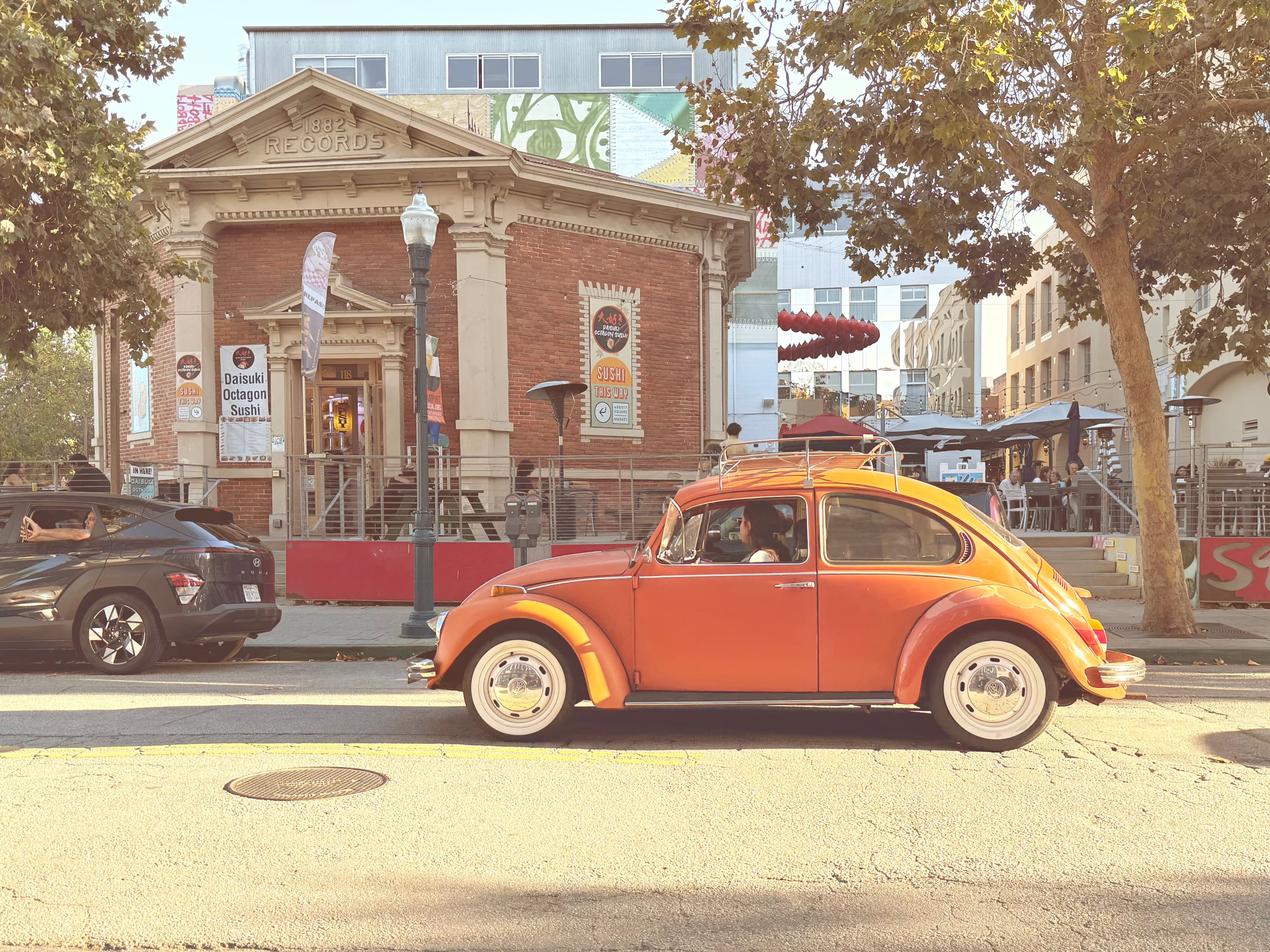
The patio was built in June 2020. You called a contractor. You bought four heaters from the home improvement store. You strung up the bistro lights. You put down the planters. You opened twelve more seats. The city said it was fine. The customers came.
It is now 2026. The patio is still there. The bistro lights are slightly faded. Two of the heaters do not work and have been moved to a corner. One of the planters has been empty since last spring. The covers on the chairs are sun-bleached. The patio is producing forty percent of your dining room covers on a summer night.
You did not decide to keep the patio. You decided not to take it down. Those are different decisions. One of them is intentional. The other is the absence of an intention.
This is the most common pandemic inheritance in the Santa Cruz restaurant business. The patio is everywhere. The patio is also under-managed because the patio was never fully incorporated into the standard. It was added as an emergency. It has remained as an emergency. The standard has not been extended to cover it.
Two restaurants in one address
The patio is not the dining room with better air. The patio is a different restaurant.
The customer at the patio table at 7:14 on a Saturday is having a different meal than the customer at the dining room table at 7:14. The light is different. The temperature is different. The acoustics are different. The proximity to other tables is different. The server's pacing has to be different because the kitchen is twenty feet farther away. The pour at the patio table is exposed to wind. The plate is at a different temperature by the time it reaches the customer.
You set a standard for the dining room. You built the patio in nine days during the pandemic and have not set a standard for it. The patio is running on a hybrid of the dining room standard and the patio's own physical reality. The hybrid is not a designed product. It is a default.
The result is that the patio is serving customers who are paying the same prices and getting a meaningfully different meal. Some of the differences favor the patio. The light at sunset. The ocean breeze. The view. The energy. Some of them do not. The wait that is slightly longer because the server has more ground to cover. The plate that has cooled. The drink that has warmed.
The customer is making a calculation. The visible benefits of the patio either outweigh the invisible costs or they do not. The owner is not measuring either side.
The standard the patio needs
The patio needs its own standard. Not a different one. A version of the dining room standard that has been calibrated for the patio's physical reality.
The pacing is the largest variable. The patio is farther from the kitchen, farther from the bar, farther from the pass. The server who is running both the patio and the dining room is splitting their time, and the patio is getting the slightly smaller share. The fix is staffing the patio as a separate section with its own server. The cost is one server position. The return is a coherent standard at twelve to twenty seats.
The temperature management is the next variable. The plate that leaves the line at the right temperature is at the wrong temperature by the time it reaches the patio. The fix is the runner who takes the patio plates directly, the heated holding box at the pass, the kitchen knowing to plate patio orders thirty seconds tighter. Each of these is a one-time decision. None of them has been made at most patios in town.
The acoustic environment is the third variable. The patio is louder in some ways and quieter in others. The conversation at the table next to you on the patio is more audible than the conversation at the table next to you in the dining room. The server's voice is harder to hear because there is no ceiling to reflect sound. The customer is straining to hear. The fix is a server who speaks differently on the patio than in the dining room. The training takes ten minutes. Almost nobody has done it.
The lighting after sunset is the fourth variable. The bistro lights you strung up in 2020 are not the same kind of light the dining room is producing. The dining room is lit with intention. The patio is lit with whatever stayed up. The customer at the patio table at 9:14 in October is sitting in light that was not designed for the meal. The fix is the lighting designer who comes in for an afternoon and recalibrates. The cost is two thousand dollars. The return is a patio that looks designed instead of inherited.
What the customer is feeling
The patio customer in Santa Cruz is having a great experience most of the time. The view is the view. The breeze is the breeze. The light at golden hour is the light at golden hour. These are the gifts the patio is giving the customer regardless of what the operator does.
The patio customer is also feeling the gap between the gift and the standard. The plate that arrived warm instead of hot. The server who appeared eight minutes in instead of ninety seconds. The check that took eleven minutes to drop. The bartender's drink that arrived after the appetizer instead of before.
The customer cannot articulate the gap. They are experiencing the patio as slightly more transactional than the dining room, even when the visit is excellent. The patio is slightly less restaurant and slightly more space-with-tables.
The fix is treating the patio as a designed restaurant, not as an extension of the dining room. The customer experiences the design. The patio earns its forty percent of covers and the calibration the dining room has always had.
Where the standard slips
The standard slips because the patio was added in nine days under emergency conditions, and the team has been running it ever since.
The dining room had been thought about for years before opening. The patio had been thought about for eleven days. The dining room had a standard from the start. The patio has been adapting to itself.
The fix is the standard. The standard is the explicit decision about how the patio runs, what the pacing is, who staffs it, how the food is moved, what the lighting is, what the temperature is, what the server says. None of these are dramatic. All of them are the kind of small calibration that the dining room has had for years.
The owners who treat the patio as a separate room with its own standard have patios that are fully part of the operation. The owners who treat the patio as overflow have patios that are producing forty percent of revenue at sixty percent of the standard.
The Santa Cruz piece
The Santa Cruz patio is uniquely valuable. The weather is unusually cooperative. The view is often part of the deal. The customer's expectation of dining outdoors is high. The town's restaurant business has been quietly transformed by the patio buildouts of 2020 and 2021.
The transformation has not been finished. The patios were built. The standards have not been written. The five-year inheritance is sitting outside, producing revenue, and operating below the calibration the dining room is held to.
The fix is the design decision. The patio is a permanent part of the business. It deserves the permanent standard.
If you want a read on what your patio looks like compared to your dining room, that is the work we do. We eat once outside and once inside, on the same night, and we tell you where the standard is two different versions of itself.