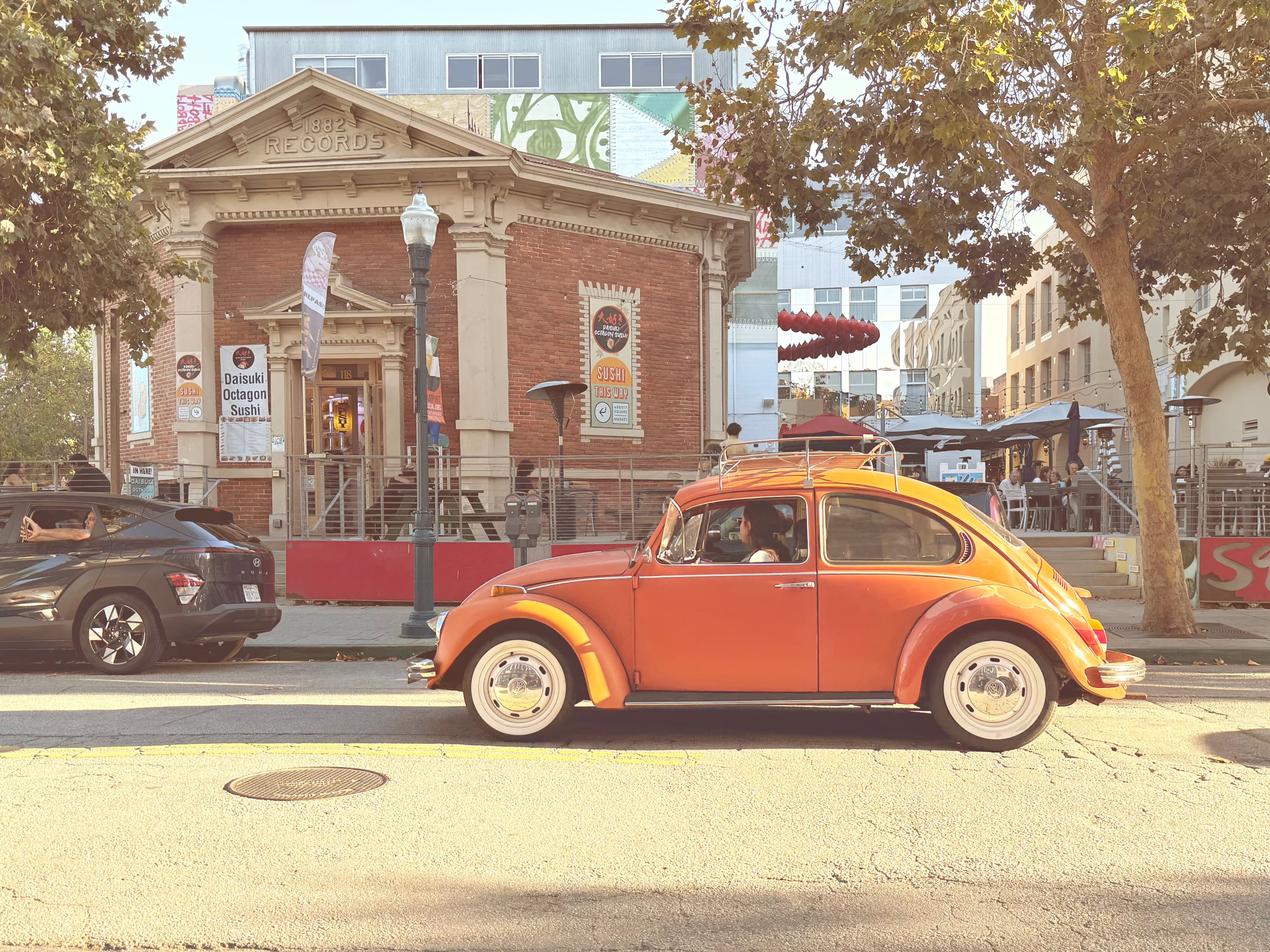
Every downtown Santa Cruz business has received the review. "Great food, but parking was a nightmare. Probably not worth the hassle." You are getting blamed for something you did not create and cannot fix. And the review stays up, pulling your star rating down, pushing the next first-time customer toward someone with better parking.
You cannot build a lot. You cannot move the business. What you can do is shape the experience around the parking so it stops becoming the story.
The underlying issue
When a customer arrives stressed from 25 minutes of circling, they are not going to have a good time. The food can be great, the service can be lovely, the space can be beautiful, but the emotional starting point is already sour. Their review reflects how they felt, not how your operation performed.
Which means the fix is not at the restaurant. The fix is earlier. The moment to handle the parking problem is before they leave their house.
Set expectations before arrival
Every channel customers use to plan a visit should mention parking. Explicitly, not as fine print.
Your website's "Visit" page should have a real paragraph on parking. Where the closest garage is, how far the walk is, where the free street parking tends to be, any validation you offer, any alternatives (bike rack, bus line, rideshare drop-off zone). Specific. Useful. In your voice, not corporate legalese.
Your Google Business listing should include parking info in the description. When someone searches you on Google Maps, that is the first thing they see. Telling them now saves them the trouble later.
Reservation or appointment confirmations should include parking. A line in the email. A prep note. Something.
For first-time customers, a pre-visit email 24 hours out with parking details, and what to expect when they arrive, sets a tone of "we thought about you" that a lot of small businesses miss.
Social posts occasionally about parking. "Weekend parking tip: the Cedar Street garage almost always has spots after 2pm. We validate for $2 off if you show your ticket."
Reframe the location from liability to context. "We are a small downtown spot. Parking takes a few minutes but it is worth it." Honest. Human. Sets the right expectation without apologizing for existing.
What you can offer in the moment
The customer who is already frustrated from circling needs to be acknowledged when they walk in. A simple, friendly "I know parking downtown is a thing, thank you for making the effort" reframes the experience. They feel seen instead of dismissed. It is a small line and it changes the arc of their visit.
If you validate parking at a nearby garage, make sure every staff member knows about it and mentions it before the customer asks. Silent validation is almost as bad as no validation.
A well-placed bike rack in front of your place is a real signal. Santa Cruz rewards businesses that make it easy to show up by bike.
If you are on a bus line, put the line on your website. Metro has Route 3, Route 17 from over the hill, and so on. Some customers will take the bus if they know it is a real option.
The ongoing review response
When a parking review lands, respond. Not defensively. Something like: "Thanks for the feedback. Downtown parking is a real challenge and we try to help in a few ways [link to parking info on your site]. Really glad you liked the food, sorry the arrival was rough. Next time mention you had trouble parking and we will cover a drink to make it up."
This response does three things. Acknowledges the frustration. Points future readers to the parking info. Shows the business cares. A thoughtful response to a one-star review often earns more trust from future readers than ten five-star reviews.
Do not argue. Do not get cute. Do not explain why the customer should have parked somewhere else. The audience for your response is not the reviewer. It is every future customer who is reading the reviews.
The compounding habit
None of these moves is heroic. Together they shift the review mix over six to twelve months. Fewer parking complaints. More reviews that talk about how thoughtful the communication was. A higher star rating.
It is a Kaizen exercise. Small, consistent changes in the same direction. The parking situation does not change. The customer experience around it does.
The deeper operational question
If parking is a common complaint, it is worth asking what else customers may be frustrated about silently. Parking is visible. A lot of friction is not. Walk through your customer experience from the first Google search to the walk-out, looking at each step, noting where someone unfamiliar with your business would have a question or a moment of confusion. Fix what you can.
This is the kind of work a Flow Check structures. Two weeks of observation, a map of the actual customer experience, a prioritized list of the friction points that most affect how customers feel about the business.
Monday action
Write a clear paragraph about parking for your website. Post it. Add parking to your Google Business description. Write a one-line confirmation add to your booking emails. Train your team on the validation or parking info.
Twenty minutes of work. Months of reviews shifted.
For related reading, creating memorable experiences with limited resources and dealing with entitled tourist customer expectations.